
 Image 1 of 4
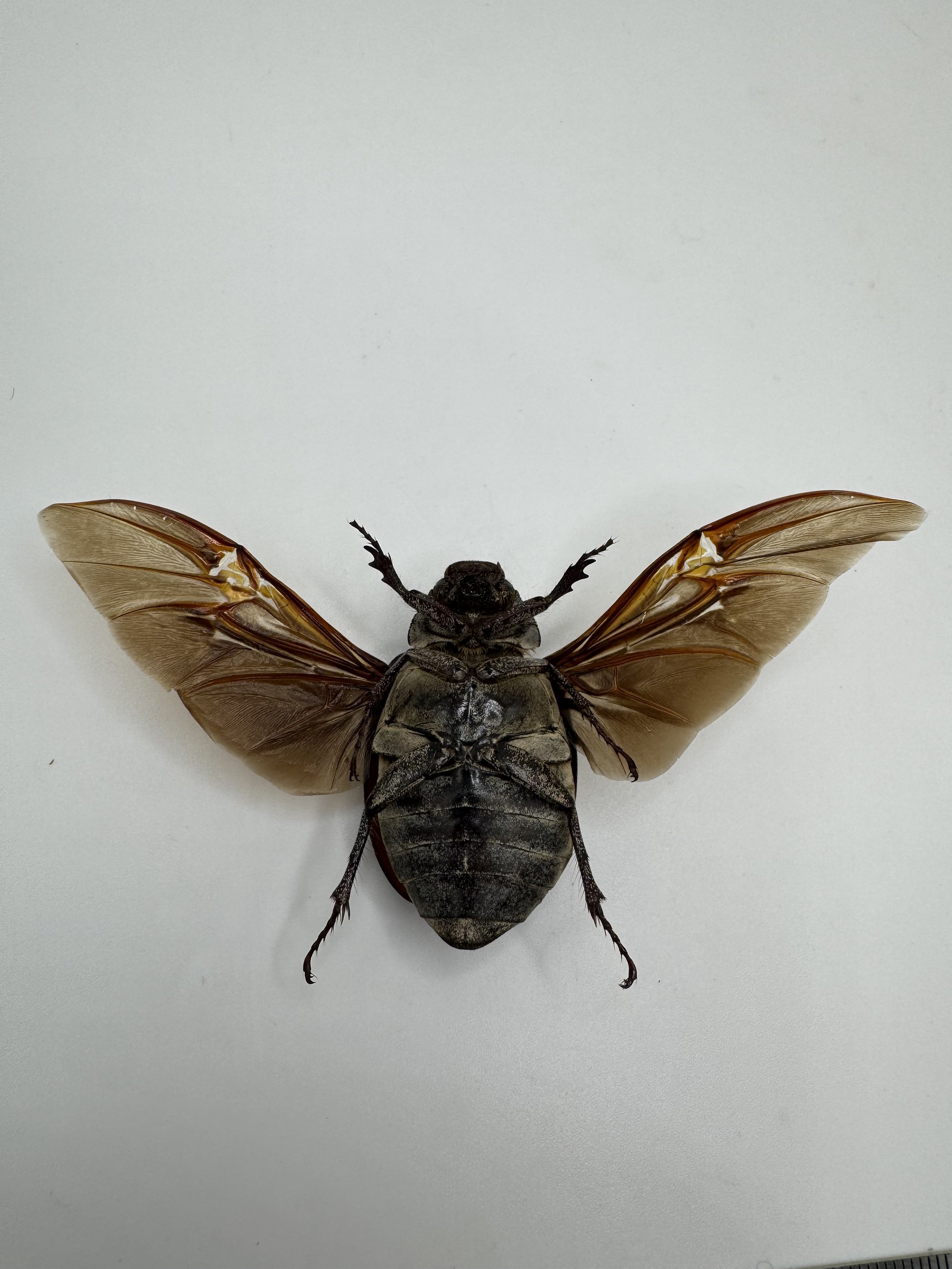 Image 2 of 4
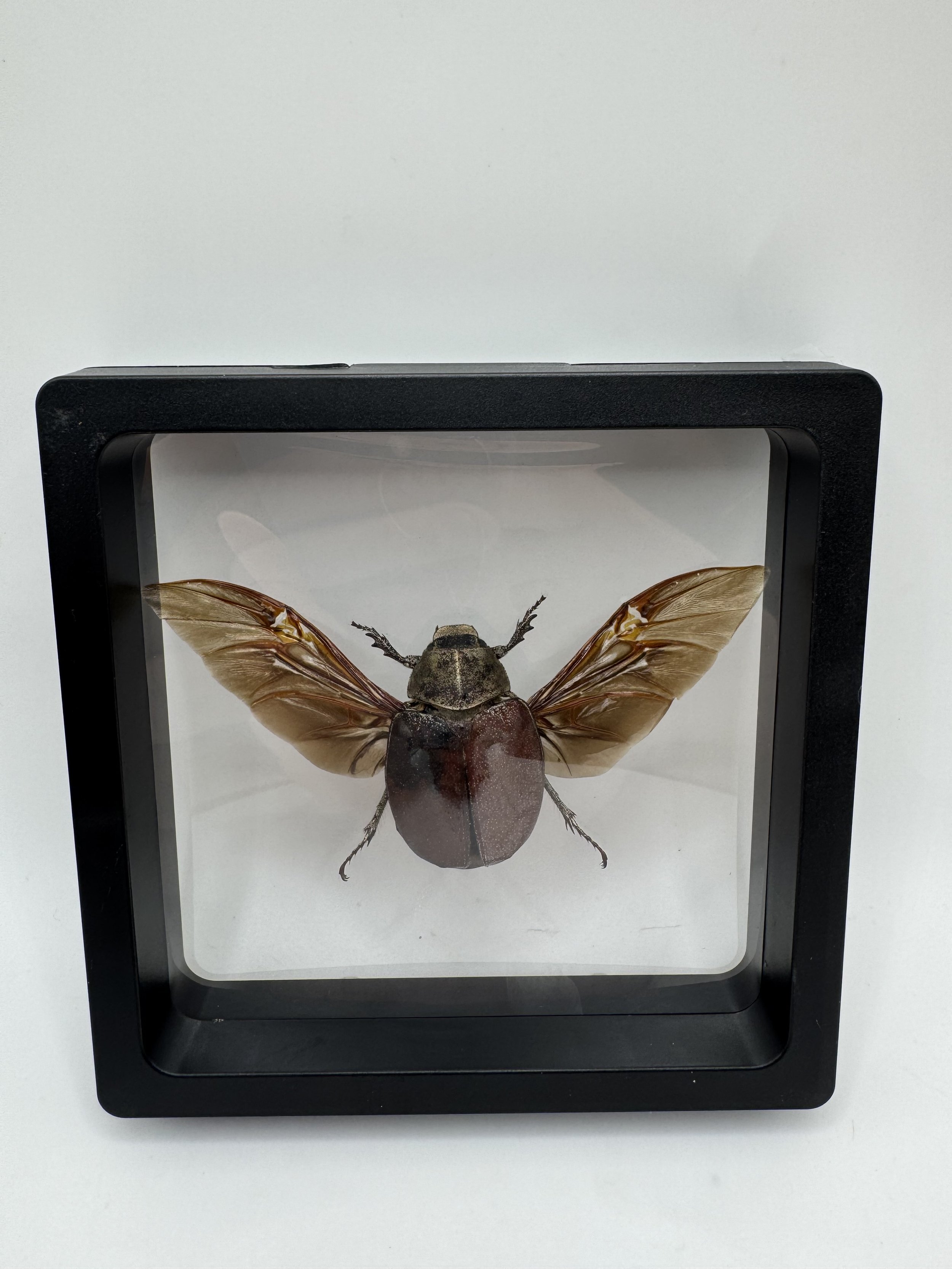 Image 3 of 4
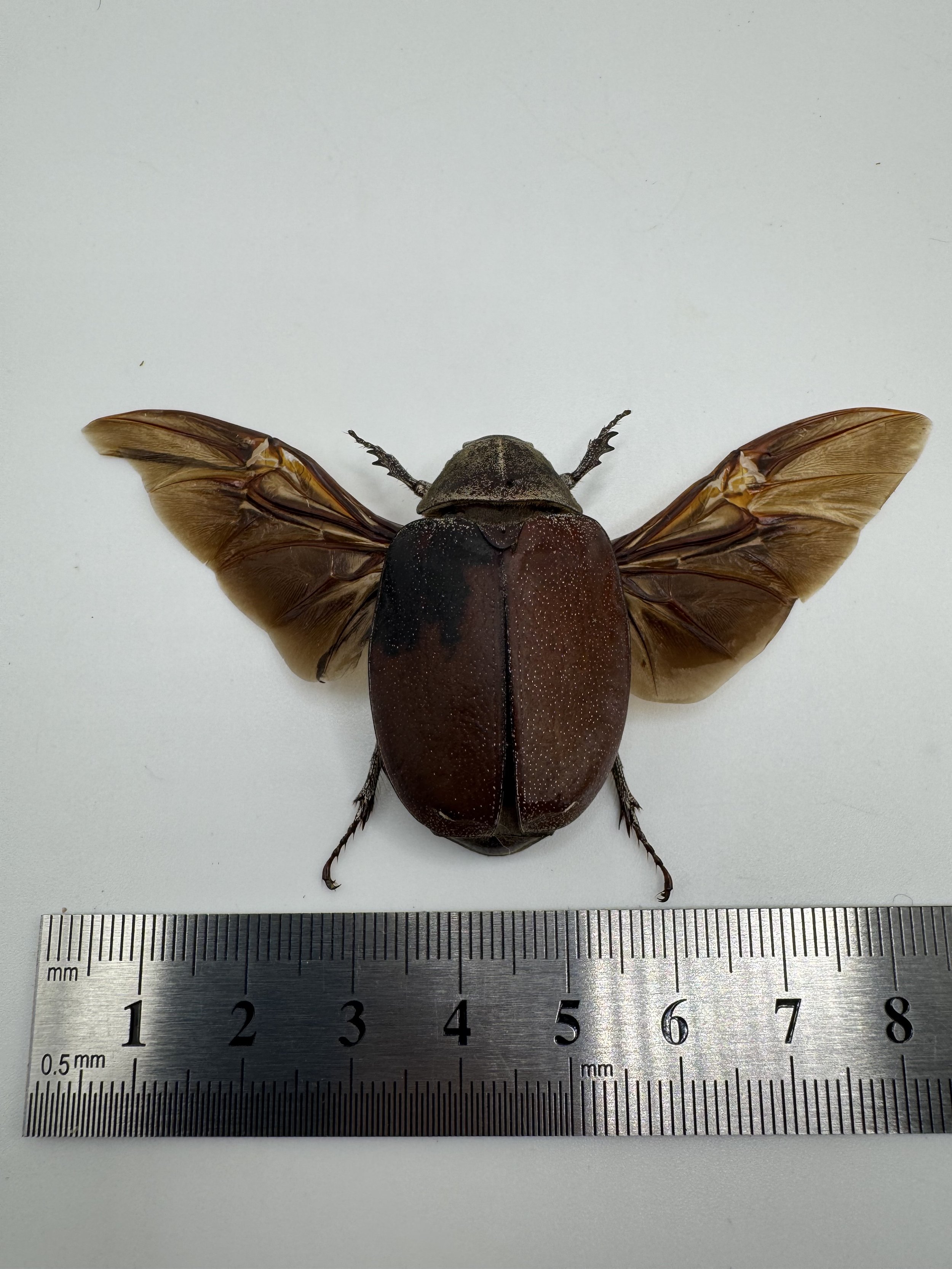 Image 4 of 4
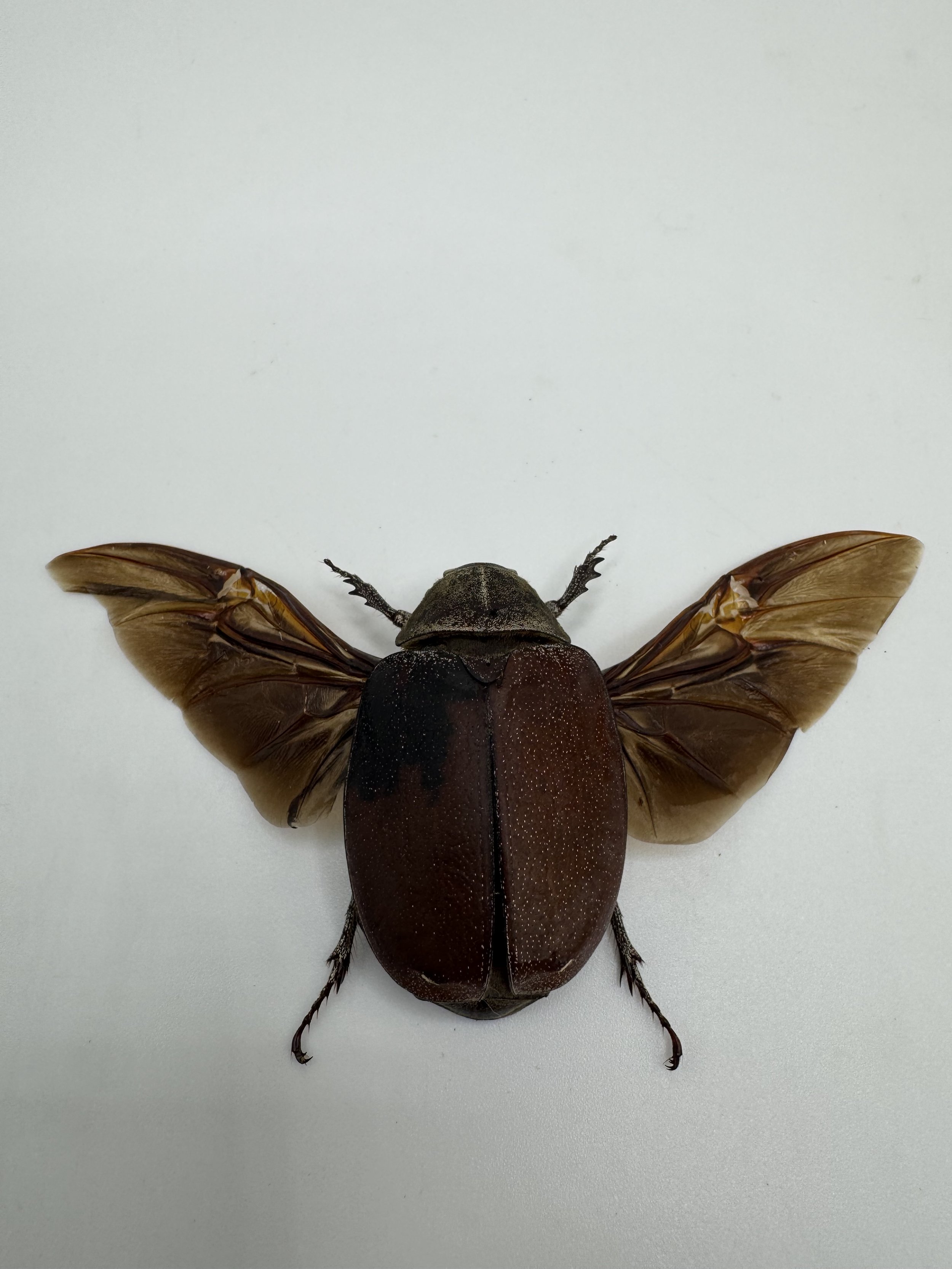
Lepidiota stigma is a distinctive scarab beetle known for its robust, oval body and pale cream to grayish-white coloration. Its wing covers are coated in fine scales, creating a lightly textured appearance that contrasts with its darker legs and antennae.
Native to parts of South and Southeast Asia, including Thailand and Indonesia, this species inhabits tropical environments and agricultural areas. Adults are primarily nocturnal, while the larvae develop underground, feeding on the roots of various plants.
Interesting Fact:
The larvae of Lepidiota stigma are commonly called sugarcane white grubs because they feed on sugarcane roots and can cause significant agricultural damage. Their underground development is lengthy, with the complete life cycle taking approximately one year.
This specimen is professionally mounted in a clear PE display frame, making it ready for immediate display. Collection data is included.
All specimens are ethically sourced, collected responsibly with a focus on sustainability and minimal impact on wild populations.